

Heavy Vehicle Tax Write Off: Section 179 Vehicles Guide
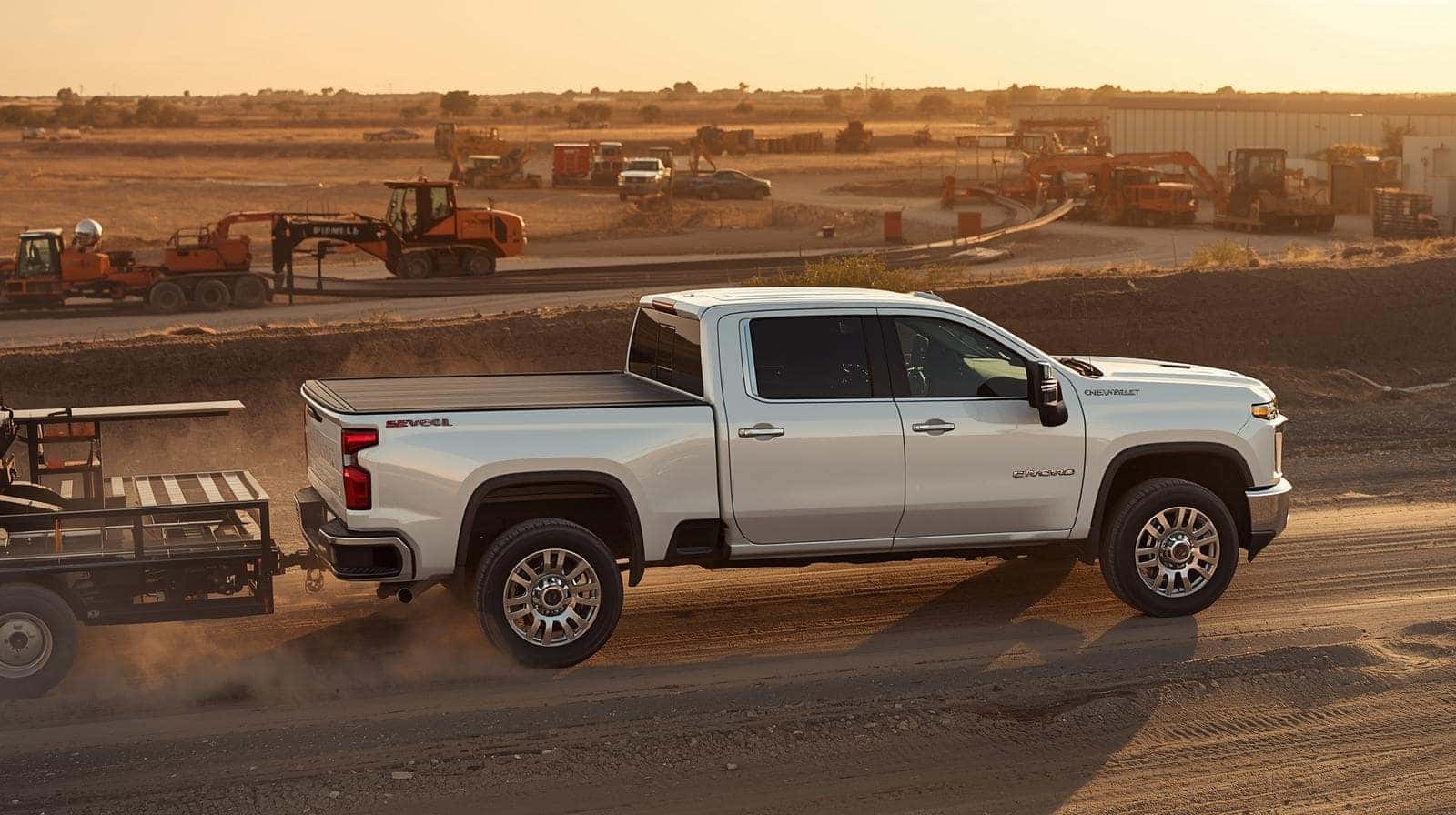
Heavy Vehicle Tax Write Off: Buying commercial vehicles can be expensive for business owners. But, federal tax law offers big savings that many miss. The right truck or SUV can save money beyond just its use. For 2025, you can deduct up to $2,500,000, with a spending limit of $4,000,000. The main rule is that the vehicle must weigh over 6,000 pounds. Heavy SUVs can get a $31,300 deduction in 2025. Trucks and vans often let you write off the whole business part in the first year.
At Ron Carter Chevy GMC in Alvin, TX, we help businesses save money. We know IRS rules let companies write off a lot of what they spend on equipment. For 2025, you can deduct up to $2,500,000, with a spending limit of $4,000,000.
The main rule is that the vehicle must weigh over 6,000 pounds. Heavy SUVs can get a $31,300 deduction in 2025. Trucks and vans often let you write off the whole business part in the first year.
We’re at 3205 FM 528 Rd, Alvin, TX 77511. We guide you on what qualifies. Our selection includes heavy-duty trucks and SUVs for both work and tax savings. Call (281) 824-3663 to see how your next purchase can cut your taxes. Always talk to a tax expert to get the most benefits.
Key Takeaways
- Federal tax code lets businesses write off the full cost of qualifying equipment in one year, not over time
- The 2025 limit is $2,500,000, with a spending cap of $4,000,000
- Trucks and SUVs over 6,000 pounds qualify for big tax savings
- Heavy SUVs get a $31,300 deduction in 2025, while trucks and vans might get the whole business part written off
- Ron Carter Chevy GMC in Alvin, TX has a wide range of qualifying heavy-duty trucks and SUVs
- Business owners should talk to tax experts to get the best deductions and follow the rules
Understanding the Section 179 Tax Deduction for Business Vehicles
The Section 179 tax code changes how businesses buy vehicles. It turns a big expense into a tax break right away. At Ron Carter Chevy GMC in Alvin, TX, we help businesses understand how business vehicle purchase tax advantages can improve their finances.
Unlike regular depreciation, Section 179 lets you deduct the full cost of vehicles in the first year. This means big savings for businesses looking to lower their taxes. We’ve helped many customers see how buying the right vehicles can save them a lot at tax time.
The Immediate Expensing Advantage
So, what is Section 179 deduction for vehicles? It lets businesses deduct the full cost of qualifying vehicles in the year they’re bought. This means you can save a lot of money right away, not over years.
When you buy a qualifying truck or van, you can deduct the business-use part of the cost. This reduces your taxable income and lowers your taxes. It’s a big win for businesses.
For example, a business buying a $60,000 truck for 100% business use could deduct the whole amount in the first year. If they’re in the 24% tax bracket, they could save about $14,400 in federal taxes. Plus, they might save on state taxes too.
Remember, Section 179 is a tax deduction, not a tax credit. Deductions lower your taxable income, while credits directly reduce taxes owed. Even though deductions save less than credits, Section 179 can save a lot because of the high cost of commercial vehicles.
Getting this deduction can also help your business grow. It frees up money for more investments, hiring, or new equipment. This can be more valuable than just saving on taxes, which is why many businesses choose it.
How Section 179 Differs From Traditional Depreciation
Standard depreciation spreads deductions over five years for most vehicles. But, passenger vehicles under 6,000 pounds have strict limits that limit first-year write-offs. For 2024, the max first-year deduction for lighter vehicles is about $20,400, even with bonus depreciation.
But, heavy-duty trucks and vans have different rules. They can qualify for much bigger deductions. Heavy SUVs over 6,000 pounds can get up to $31,300 in deductions in the first year. Heavy pickups and vans might qualify for even more.
The PATH Act of 2015 made these rules permanent for heavy SUVs, pickups, and vans. This gives businesses certainty for planning their taxes.
| Factor | Section 179 Deduction | Standard MACRS Depreciation | Key Advantage |
|---|---|---|---|
| Deduction Timing | Full amount in year of purchase | Spread over 5-year schedule | Immediate cash flow benefit |
| Light Vehicle Limit (under 6,000 lbs) | $20,400 maximum first year | $20,400 maximum first year | No difference for light vehicles |
| Heavy SUV Limit (over 6,000 lbs) | Up to $31,300 first year | Standard annual depreciation only | 55% higher first-year deduction |
| Heavy Truck/Van (over 6,000 lbs) | Full business-use portion available | Limited annual depreciation | Potentially unlimited first-year write-off |
This shows why businesses want to buy heavy-duty trucks and vans for the biggest tax deduction for business vehicles. The difference between a $20,400 deduction and a $60,000+ deduction can save tens of thousands in taxes for businesses in higher brackets.
Another key difference is flexibility. With Section 179, you can choose to take the immediate deduction or traditional depreciation. This lets you plan your taxes strategically based on your business’s income. If you think you’ll make more money in the future, traditional depreciation might be better. But most businesses save more with immediate deductions.
Eligible Businesses and Taxpayers
The tax deduction for business vehicles under Section 179 is for many business types. Whether you’re a sole proprietor, partnership, LLC, S-corporation, or C-corporation, you can claim this deduction when buying qualifying vehicles from our Alvin dealership.
But, there are some rules. Your business must make enough money to use the deduction. Self-employed people can count their business income and their spouse’s income on joint returns towards this requirement.
The vehicle must be used more than 50% for business purposes to qualify. This is important and must be kept up all year. If you use it less than 50% for business, you might have to pay back some of the tax benefit.
Eligible taxpayers include:
- Self-employed individuals and sole proprietors who use vehicles for business operations, client visits, job sites, or deliveries
- Partnerships and LLCs that purchase vehicles for company use by partners or members
- S-corporations and C-corporations acquiring vehicles as company assets for business operations
- Professional practices including medical, legal, accounting, and consulting firms that need vehicles for business travel
- Contractors and construction businesses requiring trucks for equipment transport and job site access
It’s important to remember that employees can’t claim Section 179 deductions for vehicles they buy personally, even if they use them a lot for work. The deduction is only for business owners and self-employed people who buy vehicles for their business.
At Ron Carter Chevy GMC, our sales team can help you find vehicles that meet Section 179 requirements. We provide all the documents your tax professional needs for filing.
We always suggest talking to a qualified CPA or tax advisor before making tax-related purchases. Every business is different, and professional advice ensures you get the most benefits while following the rules. We help you find the right vehicle and provide the necessary documents. Your tax professional will handle the details of claiming the deduction correctly.
Knowing about what is Section 179 deduction for vehicles and how it applies to your business can help you make smart choices. With the right advice, a necessary expense can become a strategic tax move that benefits your business for years.
Section 179 Vehicles: Weight Requirements and Qualifications
Weight limits decide which vehicles get big tax breaks under Section 179 rules. The IRS checks vehicle weights to see if they’re cars or heavy equipment. Knowing these limits helps business owners save on taxes when buying vehicles.
At Ron Carter Chevy GMC in Alvin, TX, we know tax rules can be tricky. Our team helps find vehicles that meet IRS standards. This way, you get a car that’s good for your business and your wallet.
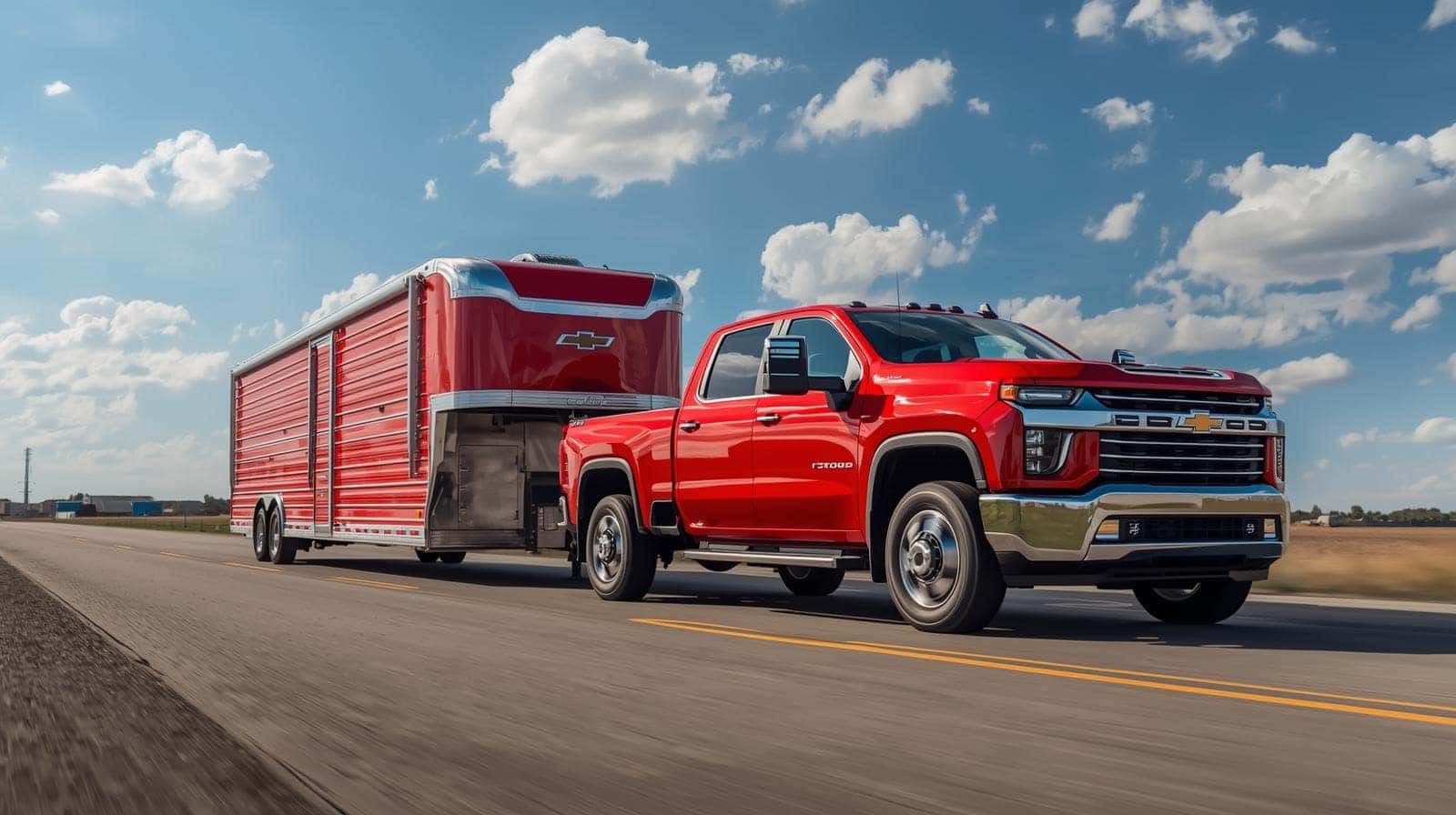
The 6,000-Pound Gross Vehicle Weight Rating Threshold
The IRS sets 6,000 pounds GVWR as the key weight for tax purposes. Vehicles over this weight get better depreciation rules than lighter ones. This weight line helps tell apart cars and vehicles meant for work.
When you ask what vehicles qualify for tax write off, the answer is 6,000 pounds. Cars under this weight face strict limits on how much you can write off each year. But, vehicles over 6,000 pounds are treated as work equipment, allowing for bigger deductions.
Many vehicles at Ron Carter Chevy GMC meet this weight. Our Silverado HD, Sierra HD, and big SUVs like Tahoe and Suburban qualify. Even some Silverado 1500 and Sierra 1500 models do, depending on the setup.
Understanding GVWR vs. Curb Weight
GVWR and curb weight are often mixed up. GVWR (Gross Vehicle Weight Rating) is the max weight a vehicle can carry, including everything. Curb weight is just the empty vehicle’s weight with a full tank.
The IRS uses GVWR for Section 179 rules, not curb weight. This is important for figuring out if a vehicle qualifies for tax write-offs.
A vehicle might have a curb weight of 5,400 pounds but a GVWR of 6,200 pounds. It would qualify for Section 179 benefits based on its GVWR.
You can find the GVWR on the driver’s side door jamb of every vehicle. Our team at Ron Carter Chevy GMC can show you where to find it. We’ll check if your chosen vehicle meets tax benefits.
| Measurement Type | Definition | Used by IRS | Example Vehicle |
|---|---|---|---|
| GVWR | Maximum operating weight including vehicle, passengers, cargo, and fuel | Yes | Silverado 2500HD: 10,000 lbs |
| Curb Weight | Weight of empty vehicle with full fuel tank only | No | Silverado 2500HD: 6,100 lbs |
| Payload Capacity | Difference between GVWR and curb weight | No | Silverado 2500HD: 3,900 lbs |
| Location | Where to find this information | Driver’s door jamb | Certification label |
For vehicles right at the 6,000-pound limit, different trims or packages can change the weight. This is why it’s key to check the exact vehicle you’re buying. Extras like crew cabs, four-wheel drive, and suspension upgrades add weight.
Why Heavy Vehicles Receive Better Tax Treatment
Heavy vehicles get better tax treatment because they’re seen as “transportation equipment” by the IRS. This means they don’t face the same depreciation limits as lighter cars. This rule helps support businesses by lowering the cost of needed vehicles.
The IRS knows heavy vehicles are used for real work. They carry heavy loads, tow trailers, and transport people and supplies. These rules help small businesses by letting them write off more of their vehicle costs.
Lighter cars have strict depreciation limits, often just a few thousand dollars in the first year. But heavy vehicles can write off tens of thousands of dollars in the first year. This can save businesses a lot of money.
Commercial vehicles are used harder and last less long than personal cars. They get more miles and need more frequent replacement. The IRS rules help businesses recover their investment faster, so they can keep growing.
At Ron Carter Chevy GMC in Alvin, TX, we know all about Section 179 rules. Our team can help you find a vehicle that meets tax standards. We make sure you get a vehicle that’s right for your business and saves you money.
Whether you need a heavy-duty truck for construction or a big SUV for clients, we’ve got you covered. We’ll help you pick a vehicle that fits IRS rules. Our goal is to make sure you understand the benefits of your vehicle purchase.
Business Use Requirements for Vehicle Tax Write-Offs
To qualify for vehicle tax write-offs, you need to meet ongoing business use standards. At Ron Carter Chevy GMC in Alvin, TX, we help our customers understand these requirements. This ensures you can get the most out of your deductions while following IRS rules.
The requirements for business use are not just for the first year. They are ongoing for years after you buy your vehicle. Knowing these rules helps you plan and avoid tax surprises later on.
Meeting the 50% Business Use Threshold
The IRS sets a clear rule for claiming business car tax benefits. Your vehicle must be used more than 50% for business to qualify for Section 179 deductions. This rule is strict and separates qualifying vehicles from those that don’t qualify.
Calculating your business-use percentage is easy. Just divide the miles driven for business by the total miles driven. For example, if your Chevrolet Silverado 2500HD travels 25,000 miles in a year, and 15,000 are for business, your business-use percentage is 60%.
The deduction amount depends on your business-use percentage. If your business usage is between 51% and 99%, you can deduct that percentage of the vehicle cost. A truck used 75% for business allows you to deduct 75% of its cost under Section 179.
The 50% requirement doesn’t end after the first year. Your vehicle must be used more than 50% for business for five consecutive tax years after being placed in service. This rule ensures vehicles continue to serve legitimate business purposes.
If your business-use percentage drops to 50% or below during this five-year period, IRS recapture rules apply. These rules require you to add back previously claimed depreciation deductions to your taxable income. This can result in additional taxes, interest charges, and penalties—making it important to maintain proper business usage throughout the required period.
Defining Qualified Business Activities
The IRS categorizes vehicle usage into three types: business, commuting, and personal. Understanding these categories helps you accurately calculate your business-use percentage and claim the right business car tax benefits.
Business use includes:
- Driving between different work locations and job sites
- Visiting client or customer locations for meetings and consultations
- Transporting business equipment, tools, or inventory
- Making deliveries or picking up supplies for business operations
- Attending work-related conferences, training sessions, or trade shows
- Traveling to business meetings away from your regular work location
For our customers at Ron Carter Chevy GMC operating construction companies, landscaping businesses, or contracting services, driving crew members and equipment to job sites qualifies as business use. The same applies to transporting materials between supply yards and work locations.
What doesn’t count as business use:
- Commuting from home to a regular workplace location
- Running personal errands unrelated to business activities
- Vacation travel and recreational trips
- Any driving for personal purposes
A special circumstance exists for businesses with a qualified home office. When your home office is your principal place of business, driving from home to other work locations is deductible. This can significantly increase your business-use percentage and enhance your business car tax benefits.
Establishing a home office as your principal place of business makes achieving and maintaining high business-use percentages easier. We recommend discussing this strategy with your tax advisor to see if it fits your business structure.
Documentation Standards and Best Practices
Meticulous record-keeping is key to defending your business car tax benefits during an IRS audit. The IRS requires businesses to have contemporaneous records—meaning documentation created at or near the time of the expense, not reconstructed later.
Essential records to maintain include:
- Detailed mileage logs recording date, destination, business purpose, and miles driven for every business trip
- All receipts related to the vehicle purchase, including bill of sale and financing documents
- Invoices and receipts for vehicle-related expenses
- Documentation supporting the business purpose of trips
Your mileage log can take several forms. Traditional paper logbooks work well for some business owners. Digital spreadsheets offer easy calculation capabilities. Smartphone apps designed for mileage tracking provide convenient, automated solutions.
The key is consistency—choose a method and use it for every business trip. Gaps in your records raise red flags during audits and can jeopardize your business car tax benefits.
Keep these records for at least three years after filing the tax return claiming the deduction. Many tax professionals recommend longer retention periods, specially for high-value deductions like Section 179 vehicle write-offs.
At Ron Carter Chevy GMC, we provide all necessary purchase documentation to support your tax filings. This includes clearly stated GVWR information, detailed bills of sale, and any other paperwork your tax advisor needs. Our team understands the importance of proper documentation for maximizing business car tax benefits.
While we provide general information about tax requirements, we always recommend working with your CPA or tax advisor for personalized guidance. Every business situation is unique, and professional tax advice ensures you meet all IRS requirements while maximizing your legitimate deductions.
Maximum Deduction Amounts and Limits for Commercial Vehicle Tax Write-Offs
Business owners often ask about the dollar amounts they can save with commercial vehicle tax write-offs. Knowing these limits helps you make smart choices when buying a new truck or SUV from our Alvin, Texas dealership. The savings can be big, thanks to the weight requirements we discussed earlier.
At Ron Carter Chevy GMC, we help you understand how commercial vehicle tax write-offs can save you money. The limits change every year, so staying updated helps you get the most tax benefits.
Current Deduction Caps and Spending Limits
For 2025, the Section 179 deduction limit is $2,500,000 for qualifying equipment, including business vehicles. This is a big jump from previous years, thanks to inflation adjustments in the tax code. The total equipment spending cap is $4,000,000 for 2025.
Most small and medium-sized businesses can use Section 179 without hitting the caps. The deduction starts to phase out when your total equipment purchases hit $4,000,000. It’s fully phased out at $6,500,000 in total equipment investments.
For comparison, in 2024, the limits were $1,220,000 maximum deduction and a $3,050,000 spending cap. The 2025 increases offer more chances for businesses to save with our inventory.
Heavy SUVs have a special rule. SUVs with a GVWR between 6,001 and 14,000 pounds face a Section 179 cap of $31,300 for 2025. This rule stops businesses from writing off the full cost of luxury SUVs. But it gives big tax benefits for real business use.
Pickups with cargo beds over six feet long are not classified as SUVs under tax rules. This means vehicles like the Chevrolet Silverado 2500HD and GMC Sierra 3500HD avoid the SUV cap. Businesses can deduct the whole business-use portion of these pickups in the first year.
There’s also an income restriction. The Section 179 deduction can’t be more than your business’s taxable income for the year. But you can carry over any unused amounts to future years, so you don’t lose the benefit.
Real-World Savings Examples With Heavy Vehicles
Let’s look at real examples of how commercial vehicle tax write-offs work with our Ron Carter Chevy GMC inventory. These examples show the tax savings available to our customers in Alvin, TX and nearby areas.
| Vehicle Example | Purchase Price | First-Year Deduction | Tax Bracket | Estimated Tax Savings |
|---|---|---|---|---|
| Chevrolet Silverado 2500HD (new, 100% business use) | $65,000 | $65,000 (full amount) | 24% federal + 15.3% SE tax | $25,545 (39.3% of cost) |
| Chevrolet Tahoe (new, 100% business use) | $60,000 | $60,000 (with bonus depreciation) | 24% federal + 15.3% SE tax | $23,580 (39.3% of cost) |
| Used Silverado 3500HD (100% business use) | $50,000 | $50,000 (full amount) | 24% federal + 15.3% SE tax | $19,650 (39.3% of cost) |
| GMC Sierra 2500HD (75% business use) | $68,000 | $51,000 (75% of cost) | 24% federal + 15.3% SE tax | $20,043 (based on business portion) |
Consider the first example: A business buys a new Chevrolet Silverado 2500HD for $65,000 and uses it only for business. The Silverado 2500HD, with a GVWR of 10,000 pounds, qualifies as a pickup. So, the business can deduct the whole $65,000 in the first year.
If the business owner is in the 24% federal tax bracket and also pays 15.3% self-employment tax, they could save about $25,545 in the first year. This is 39.3% of the $65,000 purchase price, making the after-tax cost around $39,455.
Now, let’s look at an SUV example. A business buys a new Chevrolet Tahoe for $60,000 and uses it 100% for business. The Tahoe, with a GVWR of 7,400 pounds, is a heavy SUV. So, the Section 179 deduction is limited to $31,300.
But bonus depreciation changes the calculation a lot. With 100% bonus depreciation in 2025 (thanks to H.R.1), the remaining cost after the Section 179 deduction ($28,700) can be fully depreciated in the first year. This combination could let you deduct the full $60,000, saving about $23,580 in taxes for a business owner in the same tax situation.
Used vehicles also qualify for these benefits. A business buying a used Chevrolet Silverado 3500HD from Ron Carter Chevy GMC for $50,000 can claim the full Section 179 deduction. As long as the vehicle is “new to the business,” it qualifies. The business can deduct the entire business-use portion in the first year, saving about $19,650 in taxes.
Partial business use also works with these deductions. If you buy a GMC Sierra 2500HD for $68,000 but use it 75% for business and 25% for personal use, you can deduct $51,000 (75% of the purchase price). This saves about $20,043 in taxes.
These examples show the big financial benefits of commercial vehicle tax write-offs. The actual savings depend on your situation, tax brackets, and if bonus depreciation applies. Always talk to your tax advisor to figure out your exact savings.
At Ron Carter Chevy GMC, we have a wide selection of vehicles that qualify for maximum Section 179 benefits. Our sales team knows which vehicles offer the best tax advantages. They can help you find options that fit your business needs and tax planning goals. Visit us at 3205 FM 528 Rd, Alvin, TX 77511 or call (281) 824-3663 to discuss your options and see our inventory of qualifying heavy-duty trucks and SUVs.
Chevrolet Silverado Heavy Duty Trucks That Qualify at Ron Carter Chevy GMC
In Alvin, TX, and nearby, the Chevrolet Silverado Heavy Duty trucks at Ron Carter Chevy GMC are a great choice. They offer both power and financial benefits. These trucks are among the best for businesses to buy, thanks to the Section 179 truck deduction.
Our dealership has a wide range of Silverado HD models. They are designed to meet your business needs while helping you save on taxes. You can find us at 3205 FM 528 Rd in Alvin, TX.
Business owners can see how these trucks can change their operations and taxes. Our sales team knows what commercial buyers need. Call us at (281) 824-3663 to schedule a test drive and talk about your needs.
The Silverado HD trucks have a big advantage over heavy SUVs. They are not subject to the $31,300 SUV deduction cap. This means businesses can deduct more of the purchase price in the first year. This can save a lot of money and improve cash flow.
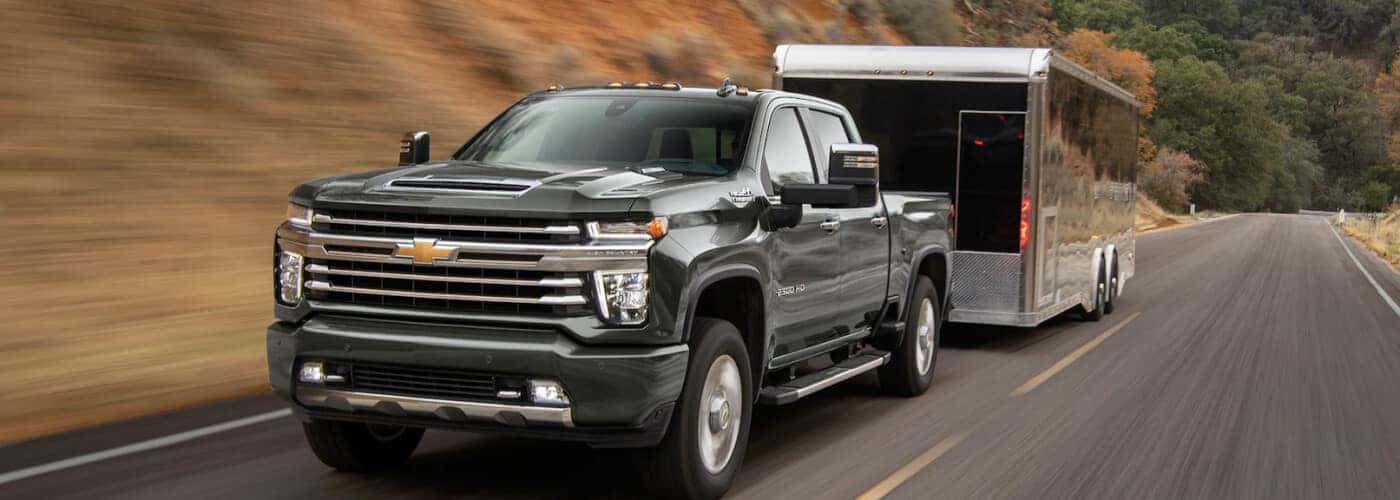
Chevrolet Silverado 2500HD
The Chevrolet Silverado 2500HD is a top choice for businesses. It has a GVWR of 10,000 pounds, making it strong and reliable. It’s perfect for heavy-duty work.
This truck comes with powerful engines, like the Duramax diesel. It can tow heavy trailers, haul equipment, and transport crews. It’s built for tough jobs.
The Silverado 2500HD is great for taxes too. It’s a pickup truck, not an SUV, so it avoids the deduction cap. A $70,000 truck used 100% for business could be fully deducted in the first year.
This means big tax savings for businesses. A 24% tax bracket could save around $16,800 in federal taxes. State taxes could save even more, making the truck a smart investment.
The Silverado 2500HD is great for many business needs:
- Construction and contracting operations requiring tool and material transport
- Landscaping businesses hauling equipment, trailers, and crews
- Oil and gas service companies needing reliable field vehicles
- Agricultural operations demanding towing and payload capacity
- Property management and maintenance services
Check out our current inventory at https://www.roncarter-gm.com/new-vehicles/silverado-2500/. You can see Silverado 2500HD models, check specs, and see prices. Our inventory updates often with new trucks and deals.
Chevrolet Silverado 3500HD
The Chevrolet Silverado 3500HD is the top heavy-duty truck. It has a GVWR of 14,000 pounds, making it one of the most capable trucks out there. It can tow over 36,000 pounds and handle heavy payloads.
This truck qualifies fully for the Section 179 truck deduction without any cap. A business buying an $80,000 Silverado 3500HD can deduct the full amount in the first year. This saves a lot of money and improves cash flow.
Buying a Silverado 3500HD is a smart move for businesses. It offers extreme capability and full deduction qualification. This makes it a great value.
The Silverado 3500HD is perfect for many business needs:
- Heavy equipment transport requiring maximum payload capacity
- Large trailer towing for construction and industrial operations
- Fifth-wheel and gooseneck towing applications
- Businesses operating in demanding environments like oilfields or ranches
- Commercial operations requiring dual rear wheel stability
The Silverado 3500HD comes in many configurations. You can choose from regular cab, crew cab, long bed, short bed, single rear wheel, and dual rear wheel options. This lets you get the truck you need without extra costs.
Both Silverado HD models have cargo beds over six feet long. This means they’re not SUVs for tax purposes. They offer unrestricted deduction that SUVs can’t match.
| Specification | Silverado 2500HD | Silverado 3500HD |
|---|---|---|
| Gross Vehicle Weight Rating | 10,000 pounds | 14,000 pounds |
| Section 179 Qualification | Full qualification – no cap | Full qualification – no cap |
| Maximum Towing Capacity | Up to 18,500 pounds | Up to 36,000 pounds |
| Vehicle Classification | Heavy-duty pickup | Heavy-duty pickup |
| Deduction Cap Limitation | None (not an SUV) | None (not an SUV) |
At Ron Carter Chevy GMC, we have a wide range of Silverado HD trucks. Our Alvin, TX location is easy to get to for businesses in the Gulf Coast area. We help you find the right truck at the right price.
Business owners should visit us to see these trucks. You can see the quality, test the capabilities, and talk about your needs. Our sales team can also help with financing and Section 179 truck deduction benefits.
Contact Ron Carter Chevy GMC at (281) 824-3663 today. Our team can answer your questions and help you find the perfect Silverado HD for your business. Let us show you how these trucks can improve your operations and finances.
GMC Sierra Heavy Duty Trucks Available at Our Alvin Texas Location
GMC Sierra Heavy Duty trucks at our dealership stand out. They have premium styling, advanced features, and the same Section 179 truck deduction benefits. GMC focuses on upscale interiors, unique designs, and tech like the MultiPro tailgate.
These trucks appeal to business owners who want both power and comfort. Our Alvin, Texas dealership at 3205 FM 528 Rd has a wide range of Sierra HD models.
Explore our Chevrolet and GMC heavy-duty trucks together. This lets you compare features and prices to find the best for your business. Call us at (281) 824-3663 to set up a meeting or test drive.
GMC Sierra 2500HD
The GMC Sierra 2500HD is a great mix of power and style. It has a GVWR of 10,000 pounds, making it eligible for Section 179 truck deduction.
The IRS sees the Sierra 2500HD as a heavy-duty pickup, not an SUV. This means no cap on the Section 179 truck deduction amount.
Businesses can write off the whole purchase price in the first year. This makes the Sierra 2500HD a smart choice for businesses.
We offer the Sierra 2500HD in various trim levels to meet different needs:
- Base and SLE models: Focus on work with basic features and lower prices
- SLT trim: More comfort and tech for daily use
- AT4 variant: Off-road ready with special suspension and protection
- Denali trim: Luxury leather, advanced tech, and high-end features
The Sierra 2500HD Denali is perfect for business meetings. It looks upscale but keeps the same tax benefits and work power as other trims.
The Sierra 2500HD is great for many business uses. Contractors use it for tools, real estate for site visits, and ranchers for towing. Oilfield services value its durability and look.
Here’s a tax savings example:
A real estate developer buys a $75,000 Sierra 2500HD Denali for 90% business use. They can deduct $67,500 from the purchase price. For a 37% tax bracket, this saves over $24,000 in taxes.
Check our Sierra 2500HD inventory page to see what we have. Compare trim levels, view options, and see prices and availability.
GMC Sierra 3500HD
The GMC Sierra 3500HD is the top GMC pickup. It has a GVWR of 14,000 pounds for amazing towing and payload.
It can tow over 36,000 pounds when equipped. This makes it perfect for tough commercial jobs.
The tax benefits are also impressive. Like the 2500HD, the Sierra 3500HD is a heavy-duty pickup for IRS purposes. This means no limit on the Section 179 truck deduction amount.
A business buying an $85,000 Sierra 3500HD Denali DRW can deduct the whole business-use portion in the first year. This can save over $30,000 in taxes for businesses in higher brackets.
The Sierra 3500HD is great for many business needs:
- Heavy equipment hauling for construction and industry
- Large fifth-wheel RV transport for hospitality and rental
- Construction companies moving heavy machinery
- Agricultural operations needing maximum towing and hauling
- Commercial towing and recovery services
We have various configurations to fit your business needs. Regular cab models are great for material transport. Crew cab versions are comfy for work crews. Long bed options offer extra cargo space, and dual rear wheel configurations provide stability for heavy loads.
The Denali trim is special for business owners. It’s a workhorse during the day and a luxury daily driver at night. It has premium amenities like luxury SUVs.
| Sierra HD Model | GVWR | Max Towing Capacity | Section 179 Cap |
|---|---|---|---|
| Sierra 2500HD | 10,000 lbs | Up to 18,500 lbs | No Cap |
| Sierra 3500HD SRW | 14,000 lbs | Up to 22,500 lbs | No Cap |
| Sierra 3500HD DRW | 14,000 lbs | Up to 36,000 lbs | No Cap |
As both a Chevrolet and GMC dealership, Ron Carter Chevy GMC offers a unique advantage. You can compare both brands’ heavy-duty offerings side-by-side in one location.
The fundamental capability and Section 179 truck deduction benefits are the same for Silverado HD and Sierra HD models. The choice often comes down to personal preference regarding styling, available features, and brand affinity.
We invite you to visit our Alvin location to experience both lineups firsthand. Our sales professionals can explain the specific differences between Chevrolet and GMC models. We’ll help you identify which brand and configuration best matches your business requirements and personal preferences.
Whether you choose Chevrolet or GMC, you’re getting exceptional heavy-duty capability. You’re also maximizing your Section 179 truck deduction opportunities and gaining the ongoing support of Ron Carter Chevy GMC’s service department for maintenance and repairs.
Additional Chevy Vehicles That Qualify for Tax Deduction for Business Vehicles
Not every business needs a heavy-duty truck. That’s why we have many Chevrolet vehicles that qualify for tax deductions. The Silverado HD and Sierra HD trucks offer the biggest deductions. But, other Chevrolet models also provide great tax benefits.
At Ron Carter Chevy GMC in Alvin, Texas, we help you find the right vehicle. We have a wide range of models to choose from. This way, you can find a balance between what you need and what you can afford.
Our dealership at 3205 FM 528 Rd has a big inventory. You can compare different models side by side. Whether you need a truck, SUV, or something in between, we have it. Call us at (281) 824-3663 to find the best Chevrolet for your business.
Chevrolet Silverado 1500
The Chevrolet Silverado 1500 is America’s best-selling pickup truck. Some versions qualify for big tax deductions. The GVWR determines if it meets the 6,000-pound threshold.
Check the GVWR label on the driver’s door jamb. Our sales team can show you this label. They can explain how it affects your taxes.
For Silverado 1500 models over 6,000 pounds GVWR, you get big tax benefits. The Silverado 1500 offers significant advantages for businesses. It’s great for those who need a truck but don’t need to tow or carry a lot.
For example, a property management company bought a Silverado 1500 for $55,000. It’s used 100% for business. The truck’s GVWR of 7,000 pounds qualifies it for tax deductions. This can save a lot of money on taxes.
Businesses in real estate, light construction, and maintenance find the Silverado 1500 perfect. It’s a smart choice for those looking to save on taxes. Learn more about Chevrolet commercial tax deductions and how they benefit your business.
Chevrolet Suburban
The Chevrolet Suburban is Chevrolet’s top full-size SUV. It has a GVWR of about 7,800 pounds, making it eligible for tax deductions. But, it’s capped at $31,300 for 2025.
This cap doesn’t limit your total deduction. You can claim the $31,300 and then apply bonus depreciation to the rest. With 100% bonus depreciation in 2025, you might deduct the full business-use amount in the first year.
The Suburban offers unique advantages for specific business applications:
- Three rows of seating for up to nine passengers
- Significant cargo capacity with rear seats folded down
- Available 4WD capability for challenging weather or terrain
- Professional, upscale appearance for client-facing businesses
- Advanced safety and technology features
The Suburban is great for many businesses. It’s perfect for executive transportation, real estate, hotels, and more. It provides comfort and safety for passengers and cargo.
For example, a medical practice bought a $75,000 Suburban for patient transport. They use it 100% for business. They can deduct the full $75,000 in the first year, saving a lot on taxes.
Chevrolet Tahoe
The Chevrolet Tahoe is similar to the Suburban but more maneuverable. It has a GVWR of about 7,400 pounds, qualifying it for tax deductions. Like the Suburban, it’s capped at $31,300 for 2025.
The Tahoe is easier to park and maneuver in cities. It offers seating for up to eight, cargo space, and 4WD for all-weather use. It also has advanced safety features and technology.
Business applications for the Tahoe span multiple industries. Contractors use Tahoes for transporting crews and tools. Security companies prefer the Tahoe’s capability and appearance. It’s also great for businesses needing a vehicle for both work and personal use.
For example, a contracting company bought a $70,000 Tahoe for $56,000 business use. They can deduct the full $56,000 in the first year. This saves money on taxes while meeting their needs.
Our Tahoe inventory ranges from efficient LS models to luxurious High Country trims. Each trim qualifies for Section 179 tax deductions. You can choose the one that fits your business image and budget.
Chevrolet Colorado
The Chevrolet Colorado is Chevrolet’s midsize truck. Its tax deduction eligibility depends on the configuration. Base models with extended cab and two-wheel drive usually don’t qualify. But, crew cab models with four-wheel drive and specific equipment often do.
Always check the GVWR of the specific Colorado model you’re interested in. Our sales team can show you the door jamb label and confirm qualification. This quick check ensures you understand the tax benefits.
The Colorado offers several advantages over full-size pickups:
- More maneuverable in tight spaces and urban environments
- Better fuel economy reducing ongoing operational costs
- Lower purchase price compared to full-size trucks
- Genuine truck capability with available towing capacity exceeding 7,000 pounds
- Easier parking in standard spaces
Businesses in urban areas or with lighter-duty needs find the Colorado ideal. Landscaping and lawn care companies use it for equipment transport. Electricians and plumbers carry tools and parts without the expense of a full-size truck. Delivery services and small construction businesses also benefit from its maneuverability and cost-effectiveness.
For example, a landscaping company bought a Colorado crew cab 4WD for $45,000. It’s used 100% for business. The truck’s GVWR of 6,100 pounds qualifies it for tax deductions. This can save a lot of money on taxes.
At our dealership, we offer a wide range of Chevrolet vehicles. Each model has tax advantages when properly qualified. Visit us at 3205 FM 528 Rd in Alvin, TX, or call (281) 824-3663 to find the best vehicle for your business.
Our sales team knows the tax implications of different vehicles. They can show you the GVWR label and explain the tax benefits. This helps you make informed decisions that benefit your business financially and operationally.
How to Claim Your Business Vehicle Purchase Tax Advantages
Getting the most out of your tax savings starts after buying a commercial vehicle. At Ron Carter Chevy GMC, we help you understand how to claim your business vehicle purchase tax advantages. This process involves your dealership, tax advisor, and you as the business owner.
We give you the qualifying vehicle and all the necessary documents. Your tax advisor helps with the deductions. You keep records to prove your vehicle’s business use.
This teamwork makes it easy to claim your full deduction and follow IRS rules.
Understanding IRS Form 4562 and Filing Requirements
To claim your Section 179 deduction, you need to fill out IRS Form 4562. This form goes with your tax return and figures out your deduction. The type of return you need depends on your business type.
Form 4562 has important parts for vehicle deductions. Part I is for calculating your Section 179 expense. It adds up all your qualifying purchases and applies any limits based on your income.
Part V deals with “Listed Property,” like vehicles. These need extra documentation and reporting.
- Complete vehicle description including year, make, and model
- Date the vehicle was placed in service for business use
- Total cost or other basis for depreciation
- Business-use percentage for the tax year
- Section 179 deduction amount claimed
The business-use percentage is key. If your vehicle is used less than 50% for business, you can’t claim Section 179. You must keep records to support your claim.
Vehicles over 6,000 pounds GVWR and used more than 50% for business have simpler reporting. The luxury vehicle limits don’t apply to heavy trucks and SUVs.
We provide general info on the form, but filling it out right needs tax law knowledge. It’s best to work with a tax expert.
The Critical Role of Your CPA or Tax Advisor
Getting help from a tax expert is vital for business vehicle purchase tax advantages. At Ron Carter Chevy GMC, we give info on Section 179 and qualifying vehicles. But, every business is different, and we’re not tax advisors.
You should talk to your CPA or tax advisor before buying a vehicle and definitely before filing taxes. They offer valuable help in several areas.
Your tax advisor decides the best way to claim deductions for your situation. They figure out the exact amount you can deduct based on your income and other purchases.
They also fill out Form 4562 correctly and make sure it fits with your tax return. This ensures all your numbers match up.
Your CPA advises on how to show your vehicle’s business use and what records you need. They help you plan for future years to keep your vehicle eligible.
State taxes can be different from federal taxes. Your tax advisor knows these differences and helps you plan for them.
Getting tax advice costs money, but it’s a deductible business expense. This investment can save you a lot of money in deductions and avoid costly mistakes.
We recommend talking to your tax advisor before buying a vehicle, not after. This way, you can plan your purchase to get the most tax benefits.
Strategic Timing for Maximum Tax Benefits
When you buy your vehicle affects your first-year tax savings. For Section 179, what matters is when the vehicle is ready for business use. This is usually when you get it.
To get the biggest first-year deduction, your vehicle must be ready by December 31. This is true for most businesses on a calendar year.
Buying near year-end has big advantages. You get a full year’s deduction, even if you only own the vehicle for a little while. If you finance it, you only make a few payments and claim the full deduction that year.
The current bonus depreciation rules add urgency. In 2025, you can get 100% bonus depreciation for qualifying vehicles. But, this might change in the future. Waiting to buy could mean smaller deductions.
The difference can be big. A $70,000 truck bought in 2025 might get 100% first-year expensing. But, if you buy it later, you might only get a smaller percentage, spreading the deduction over years.
Businesses on fiscal years need to place their vehicle in service before their fiscal year ends. This way, they can claim the deduction in that year, not the next.
Never buy a vehicle just for tax reasons. It should really meet your business needs. But, if you need a vehicle, buying at the right time can maximize tax benefits.
Contact our team at (281) 824-3663 to talk about our current inventory and how it fits your tax planning.
Comprehensive Documentation From Ron Carter Chevy GMC
When you buy a qualifying vehicle from us in Alvin, TX, we give you all the documents you need. We know many customers use their vehicles for business and claim tax deductions. So, we’re ready to help with the paperwork.
Your purchase package includes:
| Document Type | Information Included | Purpose for Tax Filing |
|---|---|---|
| Itemized Bill of Sale | Complete purchase price, date of sale, vehicle identification | Establishes cost basis and purchase date |
| Manufacturer’s Specifications | GVWR clearly stated, complete vehicle specifications | Proves vehicle meets 6,000+ pound threshold |
| Financing Documents | Loan terms, payment schedule, interest rate | Documents financing structure if applicable |
| Complete Vehicle Description | Year, make, model, VIN, configuration details | Provides detailed vehicle identification for Form 4562 |
We show you where to find the GVWR on the driver’s door jamb label. This label has official specs from the manufacturer that meet IRS needs.
Our sales team can answer questions about vehicle specs and which models qualify for Section 179. But, they can’t give tax advice. That’s for your tax advisor.
We give you the documents you need, but you must keep records of your vehicle’s business use. You need to track mileage, trip purposes, and business-use percentages all year.
If you need more tax documents after buying, we’re here to help. Call us at (281) 824-3663 or visit us at 3205 FM 528 Rd, Alvin, TX 77511. We support our customers from start to finish.
Our team knows how important the right documentation is for business vehicle purchases. We work fast to give you and your tax advisor everything you need to claim your full deduction while following IRS rules.
Conclusion: Maximize Your Tax Savings at Ron Carter Chevy GMC in Alvin TX
Buying Section 179 vehicles is a wise move for business owners. It can cut down your tax bill and give your business the vehicles it needs. At Ron Carter Chevy GMC, we have models like the Chevrolet Silverado 2500HD and GMC Sierra 3500HD. These trucks let you deduct more without the limits on SUVs.
To use commercial vehicle tax write-offs, you need to plan and keep records. We give you all the paperwork you need for your taxes. Our team knows what makes a vehicle qualify for these deductions.
Call us at (281) 824-3663 to talk about your vehicle needs. Come by our dealership at 3205 FM 528 Rd, Alvin, TX 77511 to see our selection. We help business owners in the Houston area.
Using Section 179 deductions and bonus depreciation can save you a lot on taxes. It turns a big expense into a smart business investment. Talk to your tax advisor to see how it works for you. Our team is here to help you find the perfect vehicle for your business and taxes.
Ready to get started? Apply for financing today and take the first step toward maximizing your business tax savings.
FAQ
What vehicles qualify for Section 179 tax write-off?
Vehicles with a Gross Vehicle Weight Rating (GVWR) over 6,000 pounds qualify. This includes the Chevrolet Silverado 2500HD and 3500HD, GMC Sierra 2500HD and 3500HD, and certain Silverado 1500 and Colorado models. The Chevrolet Suburban and Tahoe also qualify. You must use the vehicle more than 50% for business.
Is Section 179 deduction for vehicles based on weight or price?
It’s based on weight, with a GVWR over 6,000 pounds needed. The deduction amount is based on purchase price and business use percentage. For heavy SUVs, the deduction is capped at $31,300 in 2025. Heavy-duty pickups and vans have no cap.
What is the weight requirement for Section 179 vehicle deduction?
The GVWR must exceed 6,000 pounds. This is not the curb weight but the maximum total weight the vehicle can carry. You can find the GVWR on the driver’s side door jamb of any vehicle. At Ron Carter Chevy GMC, we can show you where to find this information.
Can I write off 100% of my truck purchase for business?
Yes, but several conditions must be met. The truck must have a GVWR over 6,000 pounds and be used more than 50% for business. You must also have enough taxable income to absorb the deduction. Heavy-duty pickups like the Chevrolet Silverado 2500HD can qualify for full first-year deduction.
What is the Section 179 limit for SUVs in 2025?
For 2025, the Section 179 deduction limit for heavy SUVs is $31,300. This cap applies to SUVs but not to pickups. After claiming the $31,300 deduction, the remaining cost qualifies for bonus depreciation. This can allow you to deduct the entire business-use portion in the first year.
Do I need to buy a new vehicle or can I claim Section 179 on used vehicles?
You can claim Section 179 on both new and used vehicles, as long as they’re “new to your business.” The vehicle must have a GVWR over 6,000 pounds and be used more than 50% for business. Used vehicles can offer great value while providing full Section 179 tax advantages.
What documentation do I need to claim Section 179 vehicle deduction?
You’ll need several types of documentation. From Ron Carter Chevy GMC, you’ll get an itemized bill of sale and vehicle specifications. You’re responsible for maintaining records of business use and expenses. You’ll report the deduction on IRS Form 4562.
How much can I actually save with Section 179 vehicle deduction?
Your savings depend on the vehicle cost, business-use percentage, and tax bracket. For example, a Chevrolet Silverado 2500HD purchased for $70,000 could save you around $27,510 in taxes. This reduces your after-tax cost to around $42,490. Your specific savings will vary based on your situation.
What counts as business use for Section 179 vehicle purposes?
Business use includes driving for activities related to your business operations. This includes traveling between work locations, visiting clients, and transporting business equipment. What doesn’t count is commuting to your regular workplace or personal errands. You must maintain records to substantiate your business-use percentage.
When should I purchase my vehicle to maximize tax benefits?
Purchase and place the vehicle in service before the end of your tax year for maximum first-year deduction. This allows you to claim the full deduction even if you own the vehicle for only a small portion of the year. Purchasing at year-end can also take advantage of 100% bonus depreciation available in 2025.
Do Silverado 2500HD and 3500HD qualify differently than Sierra 2500HD and 3500HD?
No, the Chevrolet Silverado HD and GMC Sierra HD trucks qualify identically for Section 179 purposes. They share the same specifications and are classified as heavy-duty pickups. This means they’re not subject to the $31,300 Section 179 cap that applies to heavy SUVs. The choice between Chevrolet and GMC comes down to styling and feature preferences, not tax advantages.
Can I claim Section 179 if I lease a vehicle?
No, Section 179 deductions are only available for purchased vehicles, not leased ones. If you lease a vehicle, you can deduct the business-use portion of your lease payments as an operating expense. Purchasing a vehicle is typically more advantageous for maximizing first-year deductions and reducing current-year tax liability.
What happens if my business use falls below 50% after I claim the deduction?
If your business use falls to 50% or below during the five tax years following the year you claim Section 179 deduction, IRS recapture rules apply. You must recalculate depreciation as if you had never claimed Section 179 or accelerated depreciation. This can result in additional taxes owed, plus interest and possible penalties. It’s critical to maintain business use above 50% for five consecutive years.
Are there any vehicles that look like they’d qualify but actually don’t for Section 179?
Yes, several scenarios can be misleading. Not all trucks qualify—some lighter configurations of the Chevrolet Silverado 1500 and Colorado have GVWRs below 6,000 pounds. Luxury sedans and sports cars never qualify, regardless of price. It’s essential to check the specific GVWR of the exact configuration you’re considering, not assume all trucks qualify.
How does Section 179 interact with bonus depreciation for vehicles?
Section 179 and bonus depreciation work together to potentially allow full first-year deduction of qualifying business vehicles. You claim Section 179 up to the applicable limit, then any remaining cost qualifies for bonus depreciation. For example, a Chevrolet Tahoe purchased for $70,000 could result in a full $70,000 first-year deduction.
Does Ron Carter Chevy GMC help with the tax paperwork or just provide documentation?
At Ron Carter Chevy GMC, we provide purchase documentation to support your Section 179 claim. We do not prepare tax forms or provide tax advice. Our sales team can answer questions about which vehicles qualify and explain the differences between vehicles that do and don’t meet the weight threshold.
0 comment(s) so far on Heavy Vehicle Tax Write Off: Section 179 Vehicles Guide